In our 21st year, the Sierra Nevada Conservancy (SNC) is still working hard to ensure resilience across the Region we serve.
Throughout 2025, we continued to fund and support the people and projects in the Sierra-Cascade that help restore resilience across landscapes, conserve critical and beneficial lands, boost recreation and tourism, and increase outdoor access for all – especially those from disadvantaged communities.
Looking back over the past 12 months, I can’t help but be thankful for the work our staff and partners have done throughout our region. There were several natural calamities, including devastating wildfires yet again, as well as financial hurdles to overcome in terms of state and federal budgetary restraints.
Yet, despite these difficulties, we continued to work throughout the year to help protect landscapes and communities, while also supporting rural economies and opening more opportunities for all to enjoy the benefits of the great Sierra-Cascade outdoors.
To help accomplish this we awarded grants to 24 new projects during the 2024-2025 fiscal year that help expand capacity, promote wildfire and climate resilience, and advance nature-based solutions. During this same time, 41 projects were completed that reduced fuels on roughly 6,205 acres and an additional 5,362 acres were conserved.
We also opened two SNC grant programs – the Wildfire and Forest Resilience Directed Grant Program and a Sustainable Recreation, Tourism, and Equitable Outdoor Access Directed Grant Program.
The SNC continues to be guided by our five-year Strategic Plan (2024-2029), but, due to the urgent need to expand forest and wildfire resilience at a much faster and larger scale to match the size of modern-day megafires, a few key highlights of 2025 come to mind:
Unlocking Regional Capacity and Advancing Resilience
Since its inception in 2004, the SNC has worked to improve the environmental, economic, and social well-being of the 24-county Sierra-Cascade region. We are a critical partner in building the capacity of individual organizations and collaborative partnerships to develop, plan, and implement wildfire- and community-resilience projects that protect natural resources and deliver multiple benefits throughout our service area and the state.
This past year has marked a remarkable increase in regional capacity. Together, our staff engaged with and supported a growing number of high-functioning, well-supported partnerships and collaboratives who are ready to implement projects at all scales, from critical community protection to comprehensive landscape restoration.
Increasing Capacity for Large Landscape Investments
We define a landscape ready for investment as one where partnerships have developed a portfolio of projects designed to deliver multiple, measurable benefits across a large landscape or watershed. During the last 12 months, we have assessed forest-health partnerships across the region and identified 16 ready landscapes and 17 more that will be ready for large investments in the next few years.
Previously in 2023, the SNC evaluated the region and identified six partnerships in the Sierra-Cascade ready for landscape-scale investment with another seven on the way. This growth, from six to nearly 33 ready landscapes in less than three years, is a testament to Regional Forest and Fire Capacity Program (RFFCP) investments, local expertise, and our staff support, which have all been extremely effective at developing people, organizational capacity, and regional coordination.
We understand that wildfire is, now more than ever, a landscape-scale process that requires broad coalitions and cross-jurisdictional partnerships to implement landscape-scale solutions that will bring our forests into a resilient state.
Landscape Investment Strategy and Grant Program for Future Investments
As part of the state’s comprehensive strategy to improve forest health and reduce wildfire risk, we developed the Landscape Investment Strategy (LIS) in 2022 to coordinate, leverage, and scale state and federal investment across the region and accelerate the development and implementation of landscape-scale restoration initiatives. Under the LIS, the SNC created the Landscape Grant Pilot Program and made an inaugural award to the Healthy El Dorado Landscape Partnership (HELP).
This project is well underway, with early successes and valuable lessons learned. This past year, the SNC has taken the experience gained by working through the Landscape Grant Pilot Program to inform our upcoming expanded Landscape Grant Program. This grant program, expected to open in 2026, will distribute $45 million in climate bond (Proposition 4) funding appropriated to the SNC for regional projects that improve local fire-prevention capacity, improve forest health and resilience, and reduce the risk of wildfire spreading into populated areas from wildlands.
We look forward to bringing new guidelines for the Landscape Grant Program to the SNC Governing Board in 2026, and even more so to mobilizing this funding towards three to five high-priority ready landscapes in the coming future.
Continued Flow of Prop. 4 Funds to protect communities, landscapes
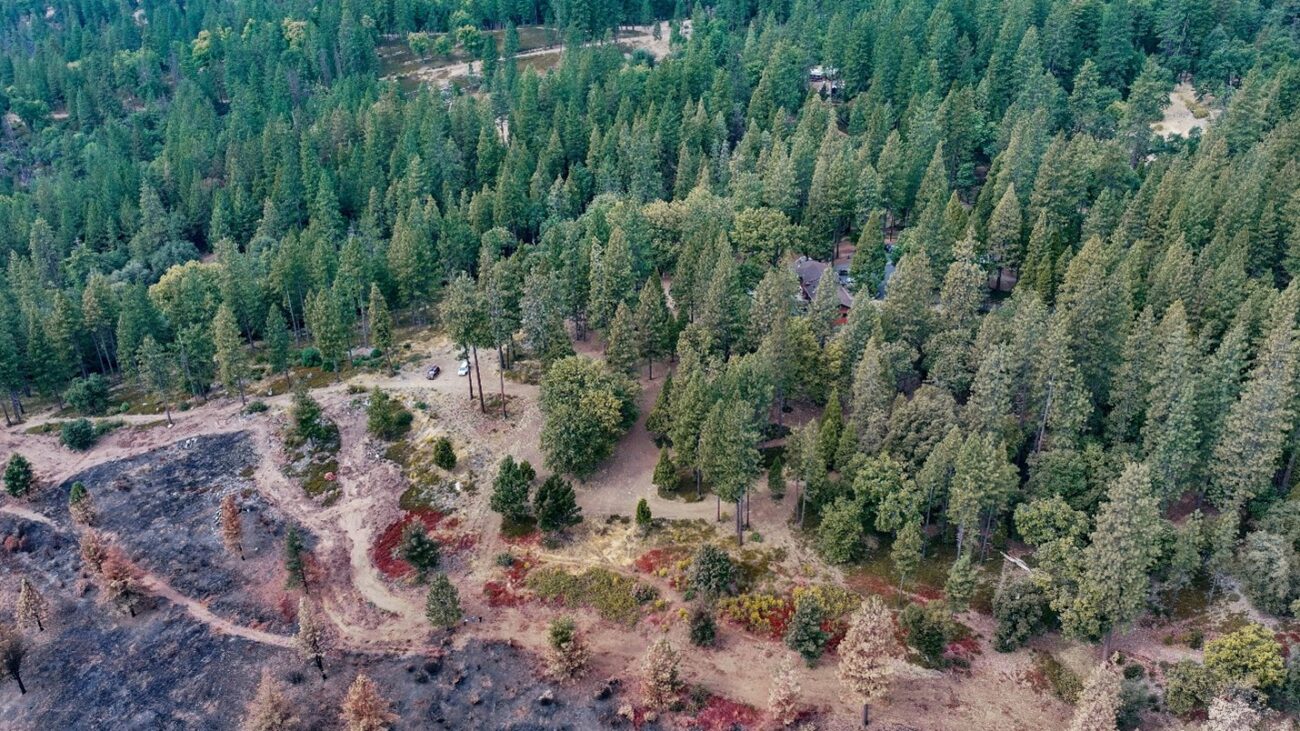
Thanks to early action by Governor Newsom and the California bond (Proposition 4) was made available to the SNC in April 2025. The SNC staff quickly created guidelines for the Wildfire and Forest Resilience Grant Program, which were approved by the SNC Board in June 2025. These guidelines established a directed grant program with $10 million of this funding made available for implementation projects that reduce wildfire risk, protect people and communities, and commence on-the-ground work no later than October 2026.
As the 2025 calendar year was winding down, our Board approved the first three grants from this program at our December meeting, and added $5 million to the program. The three December grants totaling nearly $4.6 million were awarded to projects in Butte, Mono, and Madera counties that will reduce fuels and create fuel breaks in efforts to restore forest health and protect communities from wildfire.
Increase Regional Partner Involvement, Especially Tribes
In the spring of 2024, we launched the Tribal Capacity Building (TCB) Pilot Program funded through the RFFCP. The goals of the TCB Pilot Program are to: build the capacity of tribes to obtain, administer, and implement grants; connect tribes to natural-resource planning and program-implementation efforts; build peer support and mentorship relationships among tribes; and provide opportunities to utilize skills to meet specific needs and to support tribes as they lead and develop their own priority projects.
Training and program implementation have been ongoing throughout 2025 and is anticipated to continue through the end of 2027. Initial training has been focused on developing grant-management systems and expertise, and robust technical assistance has been provided on a variety of topics including tribal work crew development and GIS mapping. Many of these resources are available to any tribe or tribal organization in SNC’s service area.
In addition, a second phase of this program gave interested cohort participants the opportunity to develop priority forest-health and fire-resilience demonstration projects.
SNC Continues Critical Work Throughout the Sierra-Cascade
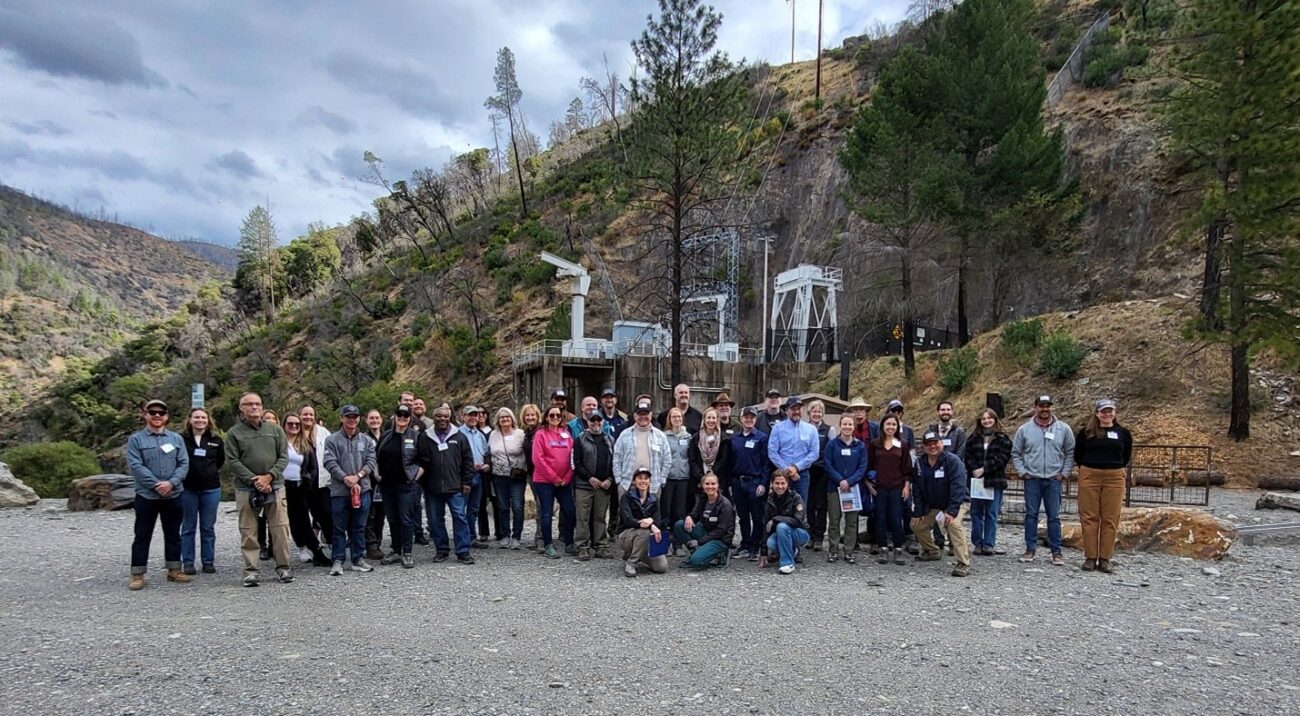
As proud as I am about all the work I’ve seen throughout our region in 2025, that work is not done. The SNC’s goal is to have high-capacity organizations, collaboratives, partnerships, and ready landscapes that cover the entire Sierra-Cascade and that takes devotion, stable investments, and, of course, time.
Much of the next year will see us focus on distributing climate bond (Proposition 4) funding. A total of $126.5 million in climate bond (Proposition 4) funding will flow through the SNC over the course of the next five years, $85.9 million of which has already been appropriated. Staff members are hard at work understanding that critical projects and partnerships at every scale need support.
Looking ahead, there are still some uncertainties. Overly dense forests and a changing climate are leading to longer wildfire seasons and more intense burning throughout the state. More than half the forested landscapes in California are owned and managed by the federal government, mostly the US Forest Service and Bureau of Land Management, and with recent intense cutbacks to these agencies, it’s unclear how these changes will impact our federal partners.
However, knowing the passion and determination of our staff members and our partners, I know we will push forward despite changing times and a changing climate. I am confident that together, we will continue to support the beautiful landscapes and people of the Sierra-Cascade.
Like the landscapes we serve, our staff and our local and regional partners will remain resilient.
Executive Officer
Sierra Nevada Conservancy