
A grant from the Sierra Nevada Conservancy will fund three mobile, self-service cleaning stations in Eastern Sierra
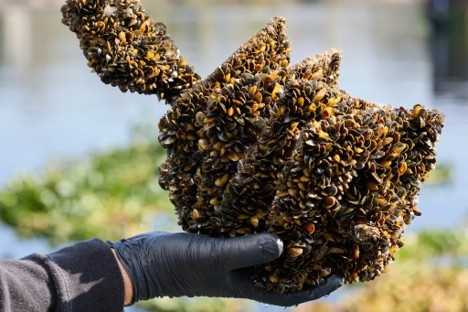
In less than two years, the invasive golden mussel has spread from the Sacramento-San Joaquin Delta to many other waterways throughout the Golden State. That does not yet include the Sierra-Cascade or Eastern Sierra, and state authorities and local and regional partners are working diligently to ensure this destructive foreign species doesn’t flex its way into these pristine and critical waterways.
First detected in the Port of Stockton, the golden mussel quickly spread throughout the Delta region and, according to the data and maps from the Department of Fish and Wildlife, is now in water sources from the Bay Area to San Diego.
“Water is the lifeblood of the Central Valley, and we cannot allow an invasive species to threaten the infrastructure our farmers, families, and communities depend on,” wrote Congressman Vince Fong in a recent bipartisan letter to the U.S. Fish and Wildlife Service requesting emergency federal funding to help combat the threat. “Golden mussels are spreading fast, clogging pipes, damaging equipment, and straining critical water systems across our region. Early action now will prevent significant damage down the road.”
Originally from Asia, these tiny mollusks can survive in both fresh and brackish-water, can survive out of the water for up to 10 days, and produce thousands of planktonic-sized offspring per year. The larvae are microscopic and can attach to both natural and man-made substances, including boats and recreation equipment, which means they can be easily transported into new aquatic ecosystems.
The golden mussels, much like the invasive zebra and quagga mussels that came before them, are highly efficient filter feeders and can easily outcompete native species for vital nutrients. They also form dense colonies, can create toxic algal blooms, and clog pipes and watercraft motors that greatly impede water flow.
Invasive species threaten the Sierra-Cascade
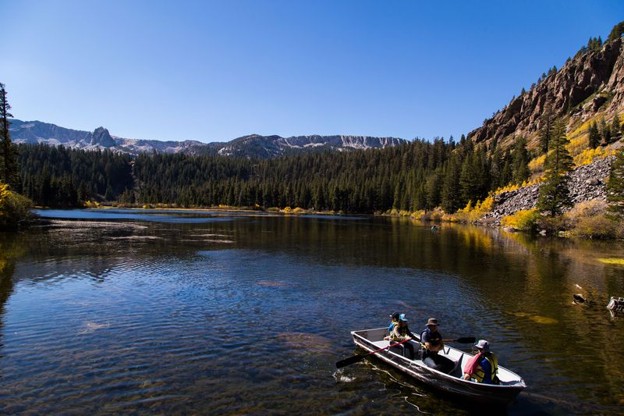
The Sierra-Cascade headwaters and waterways are among California’s most important natural resources, providing drinking and agricultural water while supporting world-class recreational opportunities, such as fishing, boating, and swimming. Safeguarding these rivers, lakes, and reservoirs from golden mussel entry is paramount to preserve California’s water supply, recreation economies, and outdoor experiences that depend on healthy aquatic ecosystems.
The scenic and remote Eastern Sierra whose economy heavily relies on drawing in visitors to enjoy its incredible outdoor recreation opportunities and provides downstream communities, including Los Angeles, drinking water, is also at risk.
“Golden mussels reproduce rapidly, attach to hard surfaces in dense colonies, and are extremely difficult, if not impossible, to eradicate once established”, said Kim Anaclerio, executive director with Mammoth Lakes Recreation. “Their spread raises serious concerns for high-elevation lakes and reservoirs throughout the Eastern Sierra because these waterways are central to the region’s environmental health, outdoor recreation economy, and community identity.”
Eastern Sierra coordinates protection efforts
This imminent threat is why Mammoth Lakes Recreation began working with Mono County in the spring of 2026 and the Eastern Sierra Mussel Prevention Collective was later formed, which includes Mono County, Inyo County, the California Department of Fish and Wildlife, the U.S. Forest Service, Los Angeles Department of Water and Power, and Southern California Edison.
“The Eastern Sierra relies heavily upon outdoor recreation. We are happy to see the Eastern Sierra Golden Mussel Collective and Mammoth Lakes Recreation working to enhance, promote, and develop sustainable stewardship and tourism by protecting water quality and outdoor recreation opportunities that complement our unique region,” said Nicholas Buckmaster, senior environmental scientist, supervisor fisheries program, California Department of Fish and Wildlife.
The collective, along with the Town of Mammoth, Mammoth Lakes Recreation, and others, is focused on stopping the unintentional transport of invasive species, including golden mussels, on watercraft or gear, the primary vector of spread. This is done through town and county ordinances, watercraft and decontamination stations, a mandatory watercraft inspection and decontamination stickering program, education and outreach, and enforcement.
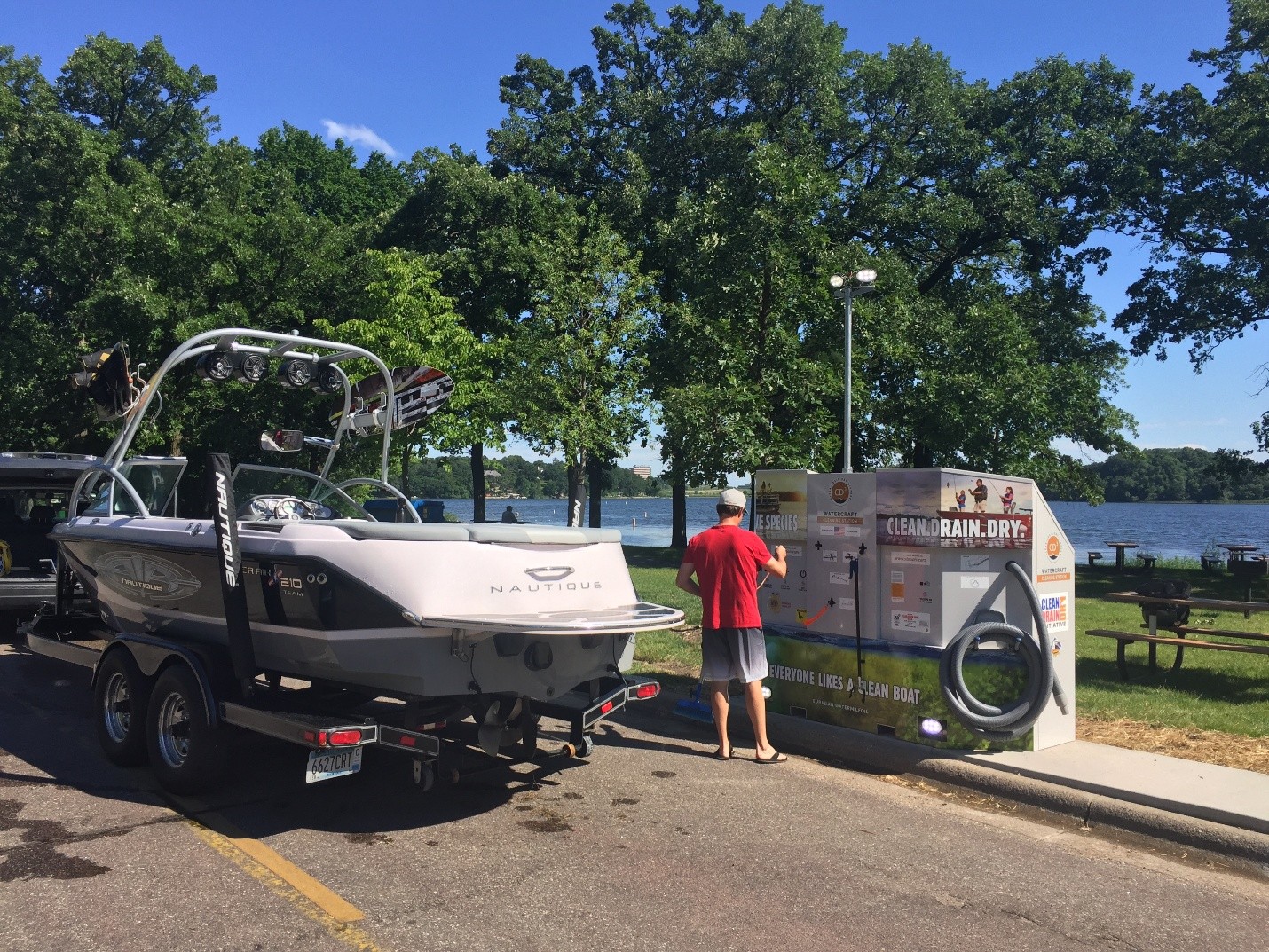
It also includes a rigid “clean, drain, dry, dispose” campaign, which a recent $175,000 grant awarded at Sierra Nevada Conservancy’s June Board meeting will help with by paying for three self-serve mobile watercraft inspection units. Known as CD3 (clean, drain, dry, and dispose) units, these stations will be deployed at major watercraft access locations, including Mammoth Lakes Basin, June Lake, and Convict Lake on Inyo National Forest lands in Mono County.
“Preventing introduction is far more effective and affordable than attempting to manage an infestation after establishment. For these reasons, we are so excited to partner with Sierra Nevada Conservancy in the prevention, public education, and clean-drain-dry stewardship efforts,” Anaclerio said. “We see this as a critical step in protecting Eastern Sierra waters and recreation resources for future generations.
With the spread of the golden mussel across the state and peak summer water recreation use on the horizon, acting now is critical, added Anaclerio.
“The golden mussel issue is not just a future concern,” she said. “It is a rapidly emerging challenge that requires proactive action now. The Eastern Sierra still has an opportunity to focus on prevention before local waterways are impacted, and that window is incredibly valuable.”