
Grants From Proposition 4 Funding Will Go to 10 New Fuels-Reduction, Community-Protection Projects Across Nine Counties
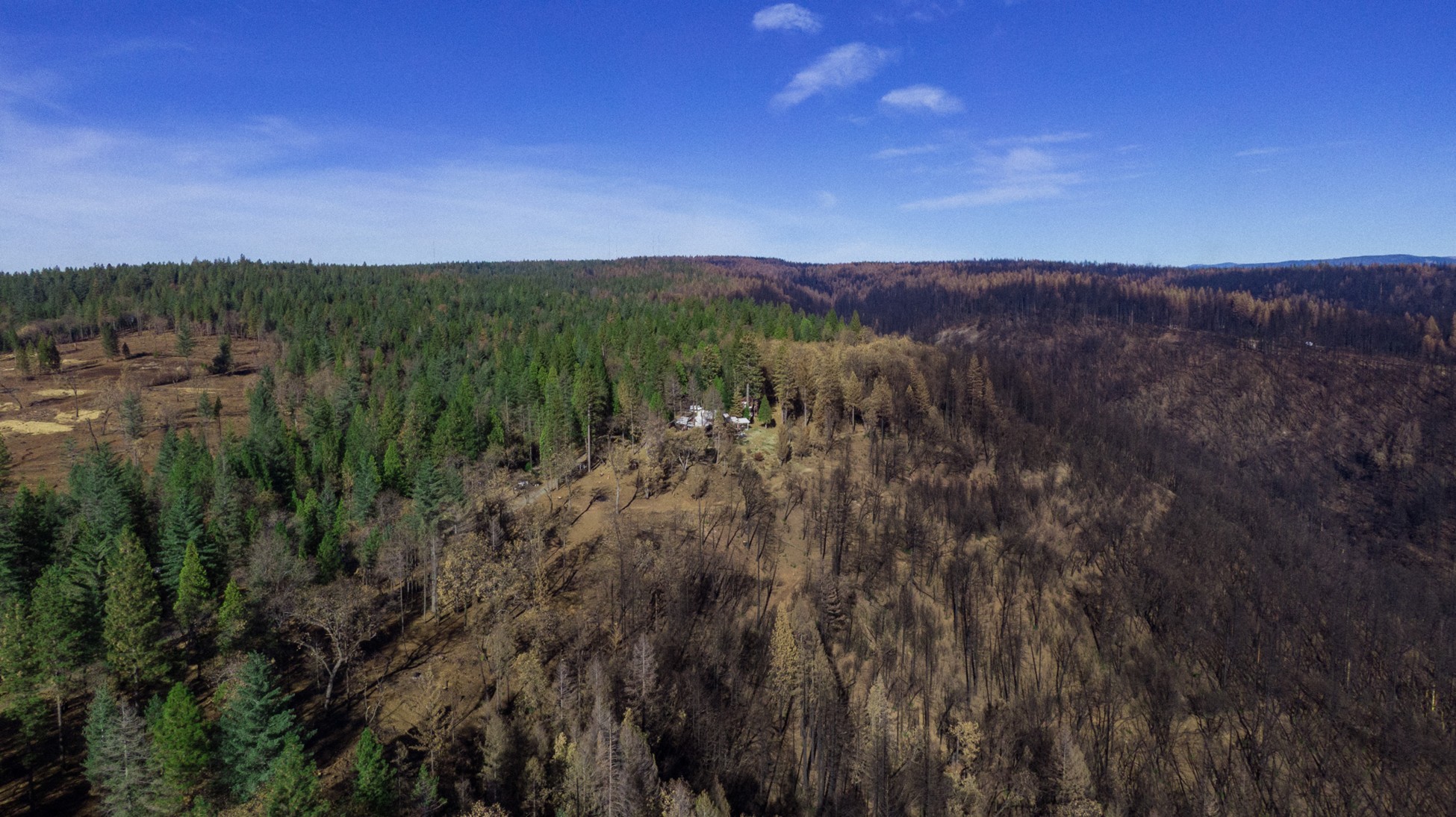
The Governing Board of the Sierra Nevada Conservancy (SNC), a California state agency focused on improving the environmental, economic, and social well-being of the Sierra-Cascade region, awarded $8,649,243 in wildfire and forest resilience grants to 10 different projects in the Sierra-Cascade that will help protect natural landscapes and nearby communities from major disturbances, such as wildfire.
“Getting funds into the hands of our local and regional partners to reduce fuels in overly dense forests, widen and lengthen strategic fuelbreaks, and enhance critical ingress/egress routes, which all help to protect communities throughout the Sierra-Cascade, has been one of our primary goals since voters passed the Climate Bond in 2024,” said SNC Executive Officer, Angela Avery.
Projects in Central Sierra-Cascade Communities
Of the total amount awarded, just under $4.8 million went to six projects in Nevada, El Dorado, Amador, and Calaveras counties. Two projects were awarded in Nevada County with the first grant of $1,123,000 going to the Yuba Watershed Institute for the first phase of the Round Mountain Landscape Resilience Project that will reduce fuels on nearly 200 acres three miles north of Nevada City on the south rim of the South Yuba River canyon. Just over $1 million ($1,027,721) went to the Nevada County Office of Emergency Services to help protect the town of Washington through forest thinning on 172 acres of heavily overgrown forests that will provide critical ingress for fire responders and egress for people needing to escape a future fire.
Two projects in El Dorado County were also awarded. The U.S. Forest Service’s Eldorado National Forest was awarded $900,000 to reduce hazardous fuels on a minimum of 350 acres in two strategic locations – the first near the communities of Georgetown, Garden Valley, and Volcanoville, and the second adjacent to multiple housing subdivisions near Jenkinson Lake. The El Dorado Resource Conservation District was awarded $800,000 toward its Sly Park Fuels Reduction Project that will reduce fuels on 377 acres near the towns of Camino, Pollock Pines, and Pleasant Valley.
The Amador Fire Safe Council will utilize $382,008 to construct a 400- to 500-foot wide fuelbreak on 85 acres between the communities of Buckhorn and Barton along Highway 88 in Amador County. Additionally, just over 160 acres of fuels reduction will take place in Calaveras County near Bummerville and West Point by the Calaveras County Office of Emergency Services through a grant of $562,321. The project will reduce ladder fuels in a shaded fuelbreak that the Bureau of Land Management installed back in 2013.
Community Protection in Northern and Southern Sierra-Cascade Counties
In Tehama and Shasta counties, the Resource Conservation District of Tehama County will create strategic fuelbreaks to provide a 630-acre defendable perimeter around the community of Manton, northeast of Red Bluff. The $993,064 grant will also help improve safety along vital ingress and egress routes in the area. The Sierra Institute was awarded $990,766 for the Plumas County Resilience Project that will reduce wildfire risk, improve forest health, and support workforce development through treatments near the towns of Quincy, Meadow Valley, Taylorsville, and Genesse.
Fresno and Tuolumne counties will also see critical fuels-reduction and community-protection work. Tuolumne County will utilize $876,822 in funds to construct a minimum of 246 acres of fuelbreaks in the eastern portion of the county. The breaks will be along Highway 108 and Crabtree Road and help protect the town of Pinecrest. Lastly, in Fresno County, the Sierra Resource Conservation District will complete construction on strategic fuelbreaks through pile burning and prescribed fire on a minimum of 1,000 acres in the Sierra National Forest, which will help protect nearby communities, such as Shaver Lake, from wildfire.
Projects Contribute to Nature-Based Solutions State Target Goals
The SNC’s Wildfire and Forest Resilience Directed Grant Program seeks to create more resilient forest landscapes and watersheds, reduce wildfire risk, and protect communities. All grants awarded in this program will reduce fuels near communities to protect them from wildfire. Fuel-reduction work contributes towards the statewide Nature-Based Solutions wildfire risk reduction targets, as well. Nature-Based Solutions (NBS) harness the power of nature to build California’s resilience to future climate-driven extremes, protect communities from the climate crisis, and remove carbon from our atmosphere. State leaders recognize that expanding NBS is essential to meeting California’s core climate goals and, beginning in 2030, California aims to complete 700,000 acres of fuel-reduction work annually.